Expert analysis and thought leadership on industry trends and developments
Large Microsoft 365 tenants face complex auditing challenges, from oversharing and orphaned workspaces to rising storage costs and limited visibility across the environment. This blog explores these challenges and how SnapOn Software Audit provides tenant-wide reporting, delegated administration, and actionable insights to help organizations strengthen governance, security, and compliance.
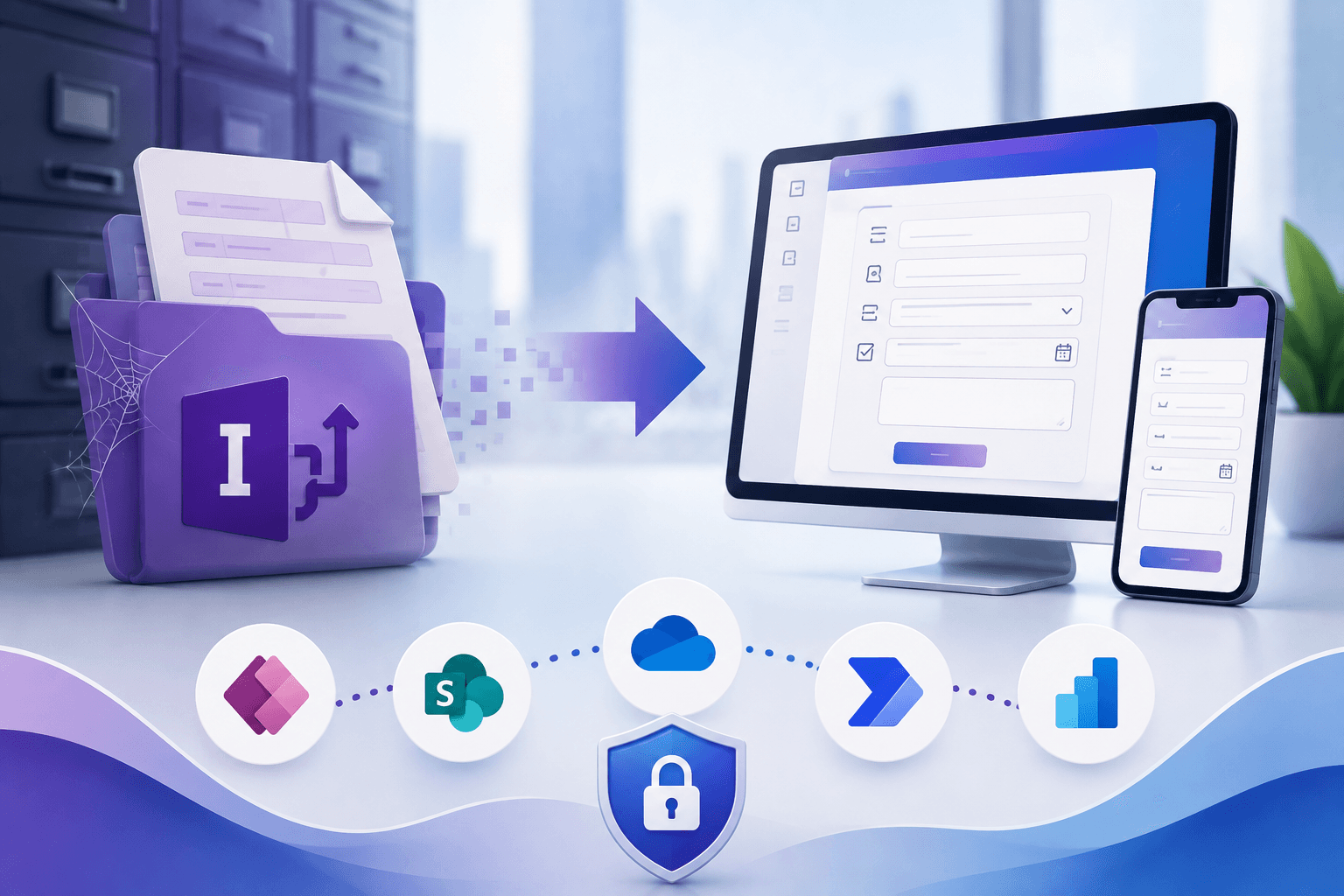
Explore the leading alternatives to Microsoft InfoPath for modern form creation, including Power Apps, Nintex, and SnapOn Software. This guide covers key considerations for replacing legacy InfoPath forms, best practices for form modernization, and how dedicated migration services can help organizations transition to secure, scalable, and user-friendly digital forms.
A practical comparison of today's leading SharePoint forms solutions for organizations replacing InfoPath. This blog explores the strengths and limitations of different approaches—including no-code platforms, built-in Microsoft tools, and enterprise automation solutions—and explains how SnapOn Software's no-code forms solution helps organizations build secure, SharePoint-native forms without the cost, complexity, or reliance on developers.
Discover how NetSuite document management software can help organizations reduce storage costs, improve ERP performance, and streamline document workflows. Learn why integrating NetSuite with Microsoft SharePoint and OneDrive through SOS Sync provides secure, scalable document management without disrupting the user experience.
Learn how to automate workflows in Microsoft 365 using Power Automate, Power Apps, SharePoint, Teams, and Outlook. This guide covers everything from simple workflow templates and approval processes to advanced automation with connectors and third-party integrations. It also explores how SOS Forms helps standardize data collection, making Microsoft 365 workflows more reliable, scalable, and easier to automate.
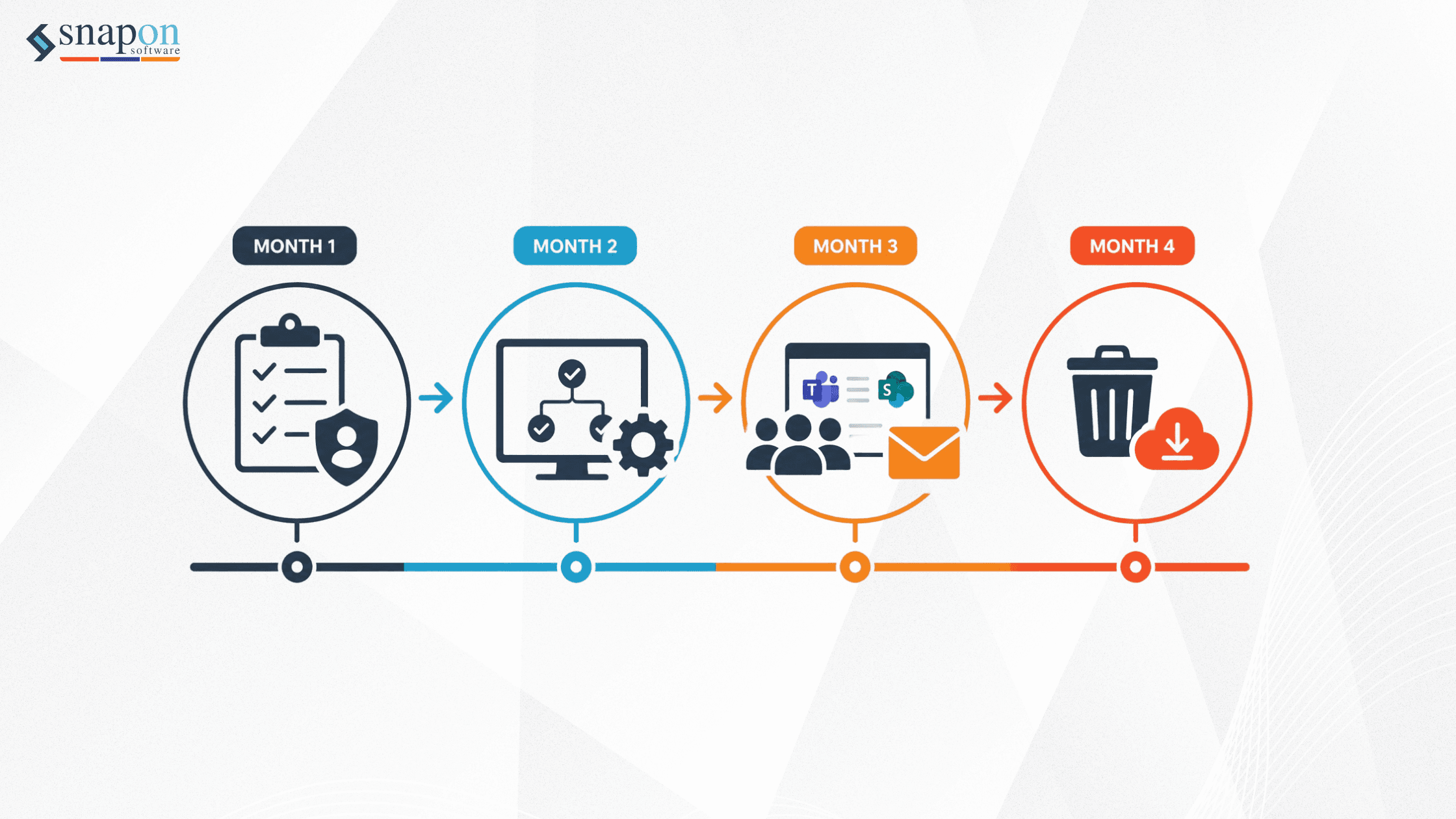
Learn how organizations can achieve measurable ROI from Microsoft 365 governance in just 120 days. This blog outlines a practical four-month deployment roadmap that reduces Teams sprawl, automates provisioning and lifecycle management, improves workspace ownership, and delivers lasting governance with ProvisionPoint.
Learn how automating Microsoft 365 provisioning helps reduce inconsistency, permission sprawl, and governance risk. This article explores how ProvisionPoint standardizes workspace creation with policy-driven automation, while Audit provides ongoing visibility into permissions, sharing, and compliance across Microsoft 365.
Many organizations use NetSuite to store business documents, but doing so can increase storage costs and limit collaboration. This article explains why Microsoft 365 and SharePoint are better suited for enterprise document management and how SOS Sync by SnapOn Software seamlessly connects NetSuite with Microsoft 365 to deliver secure, governed document storage and a better user experience.
Microsoft 365 governance is the foundation of a secure, compliant, and well-managed cloud environment. This guide explores essential governance best practices, including access control, compliance management, security policies, risk mitigation, and continuous monitoring. It also highlights how organizations can strengthen Microsoft 365 governance with automation and lifecycle management tools like ProvisionPoint from SnapOn Software, helping enforce consistent policies, improve compliance, and reduce administrative overhead. By implementing a strong governance framework, organizations can better protect their data, optimize resources, and support long-term business success.
Artificial intelligence has the power to transform organizations, but successful AI adoption begins with a strong foundation of data governance. This blog explores why secure, well-managed, and accessible data is essential for responsible AI, highlighting key takeaways from SnapOn Software's webinar, From Data Chaos to AI Readiness. Learn how governance throughout the data lifecycle reduces risk, improves compliance, and builds trust in AI, while discovering how SnapOn Software's solutions—ProvisionPoint, Intake, Audit, and AskCipher (AC)—help organizations establish the governance framework needed to adopt AI securely and confidently.
The Microsoft 365 Audit Log is a critical tool for monitoring user and administrator activity across Microsoft 365 services, helping organisations strengthen security, meet compliance requirements, and investigate potential threats. This article explores its key features, including detailed activity tracking, advanced search capabilities, configurable alerts, and comprehensive service coverage, while outlining how to enable and use the Audit Log effectively. It also explains how Audit from SnapOn Software simplifies audit log management by delivering actionable compliance reports directly within Microsoft Teams, reducing IT workload and making governance more accessible across the organisation.
Higher education institutions are facing increasing pressure to modernize admissions processes while meeting rising applicant expectations for speed, transparency, and seamless digital experiences. In this blog, we explore how universities are moving away from fragmented legacy systems and manual workflows toward connected admissions ecosystems powered by CRM integration, workflow automation, and centralized data management. Drawing on insights from a recent webinar hosted by SnapOn Software and NimbusPoint Consulting, the article examines how platforms like Salesforce Education Cloud are helping institutions improve applicant visibility, automate communications, reduce administrative burden, and scale operations more effectively. It also highlights the growing importance of flexible data capture solutions like SOS Intake, which enable universities to streamline event registrations, student engagement, mobile intake, and operational workflows through connected, mobile-first forms and integrations. From data migration challenges to the future of student-centered admissions, this blog explores why connected systems, intelligent automation, and modern data capture strategies are becoming essential for long-term institutional efficiency and enrollment success.
Data sovereignty and cloud flexibility dominated discussions at the European Collaboration Summit in Cologne — and for good reason. With Microsoft reaffirming its commitment to on-premises deployments through SharePoint Subscription Edition and the announcement of Microsoft 365 Local, organisations in regulated industries now have more options than ever. We share our key takeaways and what it means for teams navigating data residency requirements today.
Introducing SOS Intake, a purpose-built solution designed to simplify and streamline data entry into NetSuite. Traditional NetSuite form tools often require custom scripting or rely on disconnected systems, leading to inefficiencies, manual re-entry, and increased risk of errors. SOS Intake eliminates these challenges with an intuitive drag-and-drop form builder that connects directly to NetSuite no coding or middleware required. With features like conditional logic, file uploads, QR code access, and seamless integrations with platforms like Microsoft 365 and Salesforce, SOS Intake empowers teams to capture accurate, structured data from customers, vendors, and partners in real time. From construction and manufacturing to education, logistics, and life sciences, organizations can automate data capture across critical workflows. By putting form creation back into the hands of administrators, SOS Intake reduces dependency on developers, accelerates processes, and improves data accuracy making it the fastest and simplest way to modernize external data collection in NetSuite.
Data governance isn’t a technology problem it’s a business decision. A strong data governance framework starts with clear classification, which drives how data is protected, accessed, and retained. Without a defined data classification policy, organizations face inconsistent decisions and increased risk. While tools like those used in Microsoft 365 governance can enforce rules, they can’t replace the need for clear policies and strong information governance leadership. Many initiatives fail by prioritizing technology over decision-making and by ignoring the cultural shift required to move from “keep everything” to “keep what matters.” For organizations focused on data governance regulated industries compliance, success comes from starting small, addressing high-risk areas first, and building a scalable governance model over time.
Most organizations collect customer feedback but few act on it fast enough to matter. By the time survey responses are exported, analyzed, and routed to the right team, the damage to the customer relationship is often already done. SOS Intake's Customer Feedback Template changes that. Unlike generic survey tools, SOS Intake connects directly to Salesforce and Microsoft 365 automatically updating CRM records, creating support cases for unhappy customers, and triggering at-risk alerts the moment feedback is submitted. The template is built around three focused sections customer details, open-ended feedback, and satisfaction ratings keeping forms concise while capturing the data that drives decisions. Smart conditional logic adapts questions based on each respondent's answers, so promoters see upsell prompts while detractors get immediate support options. Additional capabilities like geolocation tagging, multilingual support, and file uploads make it a fit for organizations of any size and market. And with most teams deploying their first form in under an hour, the path from feedback to action has never been shorter. SOS Intake turns customer feedback from a delayed insight into an immediate business response.
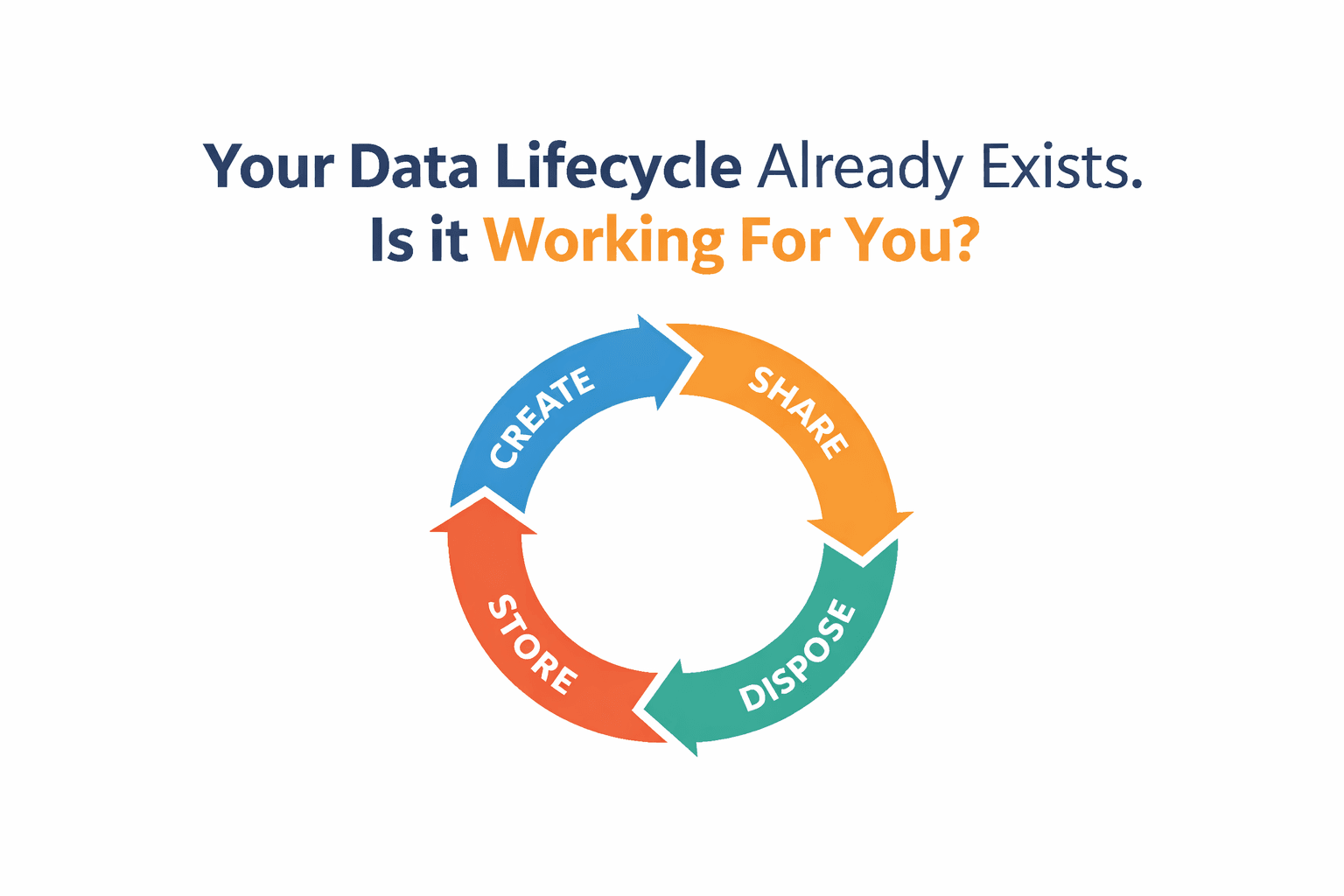
The data lifecycle spans four critical stages Creation, Collaboration, Retention, and Disposal each introducing unique governance and security risks. From the moment data is created, organizations must ensure proper classification and control to prevent gaps that can compound over time. As data is shared and stored, risks like overexposure, permission drift, and excessive retention increase the likelihood of compliance issues and security breaches. Effective data governance requires a proactive, policy-driven approach at every stage, ensuring data is properly managed, protected, and disposed of when no longer needed. By understanding and addressing risks across the entire lifecycle, organizations can reduce exposure, maintain compliance, and build a more resilient data governance strategy.
Key Points: The Problem: IT lacks visibility into individual OneDrive usage, leading to quota surprises and poor data governance The Risk: Storage overages, users storing sensitive data in personal drives instead of governed workspaces, compliance gaps The Solution: Audit's OneDrive Storage Reports provide per-user insights: - Total storage size per library - Percentage of site usage - Percentage of storage quota consumed - File counts - Last modification dates The Action: Proactively manage user quotas, identify users needing training, enforce data governance policies The Benefit: Predictable storage costs, improved compliance, better user behavior
Most organizations already have a data lifecycle but it’s often informal and unmanaged. Data is created, shared, and stored without proper classification or retention, leading to growing risk over time. The biggest threats aren’t always external breaches, but everyday mistakes like sharing sensitive information with the wrong people. In regulated industries, these incidents can lead to penalties, disruption, and loss of trust. With the rise of tools like Microsoft Copilot, these risks are amplified. AI surfaces whatever users have access to—making unstructured, over-retained data more visible than ever. Your data lifecycle already exists. The question is whether it’s working for you or against you.
SharePoint storage optimization, large file management, M365 version control, storage quota management A single PowerPoint file with 847 versions consuming 12GB of storage. Sound familiar? File bloat is one of the most overlooked causes of M365 storage overruns. Key Points: The Problem: Files with excessive versions, oversized attachments, and forgotten large files consume storage and slow performance The Risk: Storage quota overages, performance degradation, increased costs, backup challenges The Solution: Audit's File Size Report provides granular visibility: - Files exceeding size thresholds (customizable) - Files with excessive version counts (customizable) - Complete file paths and workspace locations - Version counts and total size including versions - Last modified dates for cleanup prioritization The Action: Implement version limits, archive large files, educate users on storage best practices The Benefit: Optimized storage costs, improved performance, better backup efficiency
Discover how inactive Microsoft 365 workspaces create hidden security risks and unnecessary costs in your organization. This post introduces Audit's new Inactive Workspace Reports—powerful tools that identify forgotten Teams, SharePoint sites, and M365 Groups cluttering your tenant. Learn how to use customizable activity thresholds and advanced filtering to pinpoint inactive workspaces, reclaim storage, reduce security exposure, and lower licensing costs. Whether managing 50 or 5,000 workspaces, these reports provide actionable insights to clean up workspace sprawl, improve compliance, and protect sensitive data hiding in forgotten collaboration spaces.
Modernizing Workplace Safety Reporting with Mobile-First Forms Traditional safety reporting creates a dangerous gap: incidents happen in the field, but documentation happens back at the office. By the time workers complete paperwork, critical details fade and urgency diminishes. With 82% of frontline workers now using mobile devices as their primary work tool, paper-based processes are no longer viable. SOS Intake's Job Safety Template transforms safety reporting into an instant, mobile-first process. Workers can photograph hazards on-site and use built-in annotation tools to highlight specific risks with arrows, circles, and text—visual context that generic form builders like Microsoft Forms simply can't provide.
Blog Summary: Orphaned Workspaces - The Hidden Security Risk in Microsoft 365 The Problem When workspace owners leave your organization or lose licenses, their Teams sites and SharePoint collections become orphaned—existing without anyone to manage permissions, approve access, or respond to security incidents. These represent critical security vulnerabilities and compliance gaps that are nearly impossible to identify at scale using native M365 tools. The Risk - No accountability for sensitive data - Unmanaged access permissions - Compliance framework violations (SOC 2, ISO 27001) - Security incidents discovered too late - Manual audits are impractical at enterprise scale The Solution Audit's Orphaned Workspaces Report automatically identifies: - Workspaces with zero owners - Workspaces where all owners are disabled or unlicensed - Workspace type and current owner status - Tenant-wide visibility in a single exportable report The Action Quickly remediate by: - Assigning new owners to restore governance - Archiving unnecessary workspaces - Escalating high-risk sites for immediate review The Benefit Transform a manual, time-consuming audit into a minutes-long task. Close security gaps, maintain compliance, and ensure every workspace has proper accountability—before auditors or security incidents expose the problem. Bottom Line: Orphaned workspaces are one of the most overlooked attack vectors in enterprise cloud environments. Audit makes them visible and actionable.
Cross-department collaboration is increasingly difficult in enterprises where silos, unclear ownership, and fragmented processes slow down decision-making. Microsoft research—including insights from the Work Trend Index—shows that organizations need digital systems that simplify coordination and create visibility across teams. This blog examines how combining Microsoft 365-connected forms with automated workflows transforms collaboration by standardizing processes, reducing friction, and aligning stakeholders. SnapOn Software’s Forms and Workflow Designer exemplifies this shift by offering dynamic, role-based forms that adapt to stages, responsibilities, and departmental contexts. When paired with workflow automation, organizations gain predictable approval cycles, transparent status tracking, and shared accountability. The result is an enterprise environment where Marketing, HR, Finance, IT, Legal, and Operations can collaborate fluidly without losing oversight or control. As complexity grows, automated processes become a strategic foundation for scalable teamwork—aligning directly with Microsoft’s vision for connected, data-driven collaboration in Microsoft 365.
Organizations still running SharePoint Server 2016/2019 face a major challenge: InfoPath is discontinued, risky to maintain, and difficult to replace without major rewrites. While many migration paths push teams toward cloud tools like Power Apps, not every organization is ready—or able—to move off-premises. This blog outlines why InfoPath now represents a compliance and operational liability, and provides a practical roadmap for replacing it with a modern, low-code, on-premises-friendly solution. Forms from SOS is introduced as a purpose-built InfoPath replacement for SharePoint SE and other on-prem environments, offering familiar controls (repeating tables, cascading lookups), tabbed layouts, permissions, and extensibility without requiring full developer intervention. A gradual migration approach—inventorying forms, prioritizing batches, prototyping, refining, and rolling out in waves—helps teams reduce disruption while modernizing their workflow foundation. By adopting a tailored on-prem solution, organizations maintain control, reduce risk, and future-proof their forms layer without committing to an immediate cloud transition.
Microsoft Forms stores Canadian submissions on U.S. servers, creating privacy, compliance, and cross-border data-sovereignty risks for public-sector institutions. SOS Intake keeps all form data inside your Microsoft 365 tenant—stored locally in Canada, fully governed by your retention, security, and compliance policies. No U.S. hosting, no cross-border transfer, and no exposure to the PATRIOT Act. A secure, Canadian-compliant alternative for student records, HR intake, municipal services, and sensitive workflows.
Empower your hybrid workforce with a centralized SharePoint Hub that connects teams across locations. Using CMS365 and Forms for SharePoint from SnapOn Software, create intelligent, low-code workspaces that streamline HR onboarding, IT support, project management, and more. Transform SharePoint into an AI-ready content management system with structured pages, interactive workflows, and mobile-friendly forms—no developer required. Discover how to centralize knowledge, automate processes, and boost productivity for remote and in-office teams with modern SharePoint solutions.
As AI tools like Copilot make content more discoverable, oversharing and outdated permissions become real security threats. SOS Audit helps you surface risks hidden across SharePoint, Teams, and OneDrive—before AI amplifies them. Empower Site and Team Owners with clear, actionable insights into external access, public links, and orphaned workspaces. At the same time, admins get cross-tenant visibility that highlights the highest-risk areas without adding noise or manual review. Before deploying AI, SOS Audit performs a pre-AI readiness assessment to identify oversharing, missing Owners, and outdated permissions—ensuring sensitive data isn’t unintentionally exposed or learned by AI systems. With trend analysis and predictive insights, SOS Audit helps organizations shift from reactive security to proactive prevention.
The modern workplace isn’t about adding more tools, it’s about making the ones you already have work together. As organizations expand across ERP and collaboration platforms, fragmented data and disconnected workflows are slowing decisions and increasing risk. The next phase is orchestration: integration as a strategy, governance as a guardrail, and AI as the connective tissue that turns data into decisions. This blog explores how unifying Microsoft 365, ERP systems like NetSuite, and governance tools such as ProvisionPoint creates a cohesive, AI-ready workspace. Through real use cases, SnapOn Software show how organizations can replace silos with seamless, governed workflows, unlocking higher productivity, decision velocity, and trust in their data.
Most organizations collect feedback easily, but struggle to act on it. Responses often get buried in spreadsheets or inboxes, leaving valuable insights unseen and unresolved. Public Forms by SnapOn Software changes that by making feedback part of an active workflow inside Microsoft 365. Submissions go directly into SharePoint Lists, where Power Automate can trigger alerts, assign tasks, or escalate issues in real time. Whether it’s employee surveys, customer complaints, or anonymous reports, feedback is instantly routed to the right team, so nothing slips through the cracks. With Public Forms, feedback becomes more than data—it becomes action, accountability, and trust.
Many organizations migrating to Microsoft 365 overlook a critical piece: their forms. Legacy tools like InfoPath, Excel sheets, and PDFs don’t migrate cleanly, forcing teams to rebuild processes manually and slowing down operations. Public Forms by SnapOn Software bridges this gap with a no-code, modern alternative that works seamlessly inside SharePoint. It replaces outdated forms with mobile-friendly, automated workflows that handle approvals, signatures, and external submissions, all stored securely in your Microsoft 365 environment. Fast to deploy and simple to maintain, Public Forms helps teams modernize without the cost or complexity of custom development, keeping your migration on time, on budget, and built for the future.
Modern hiring tools collect resumes, but often leave HR juggling emails, PDFs, and spreadsheets. Public Forms by SnapOn Software fixes that by unifying every step of hiring and onboarding inside Microsoft 365. From job applications to offer acceptance and IT setup, everything happens securely in SharePoint and Teams: automated, trackable, and seamless. No more lost resumes or manual follow-ups. Just faster hiring, smoother collaboration, and a professional candidate experience powered by the tools you already use.
Many organizations rely on emailed PDFs, Microsoft Forms, or complex Power Apps to collect external data; methods that are risky, inefficient, and non-compliant. A zero-code, Microsoft-native public forms solution offers a secure, scalable alternative by integrating directly with SharePoint and Power Automate. It enables file uploads, e-signatures, and conditional logic without custom development, ensuring data is controlled from submission to storage. This modern approach reduces costs, strengthens compliance, and streamlines processes across sectors like government, HR, and healthcare.
Microsoft’s integration of GPT-5 into Copilot marks a major shift in how AI powers everyday work. With Smart Mode and real-time model routing, Copilot now balances speed and deep reasoning automatically, removing friction for users while introducing new considerations for organizations. The implications are significant: faster, more context-aware responses promise major productivity gains, but they also raise strategic questions around governance, security, and compliance. In this blog, SnapOn Software explores how GPT-5 and Copilot can be paired with CMS365, Forms, and Audit to deliver measurable value while ensuring that organizational data remains structured, secure, and compliant.
Law has always centered on information: case files, legal research, client communications, and sensitive documents. In the past, firms safeguarded this data within controlled physical spaces, protected by clear security boundaries. Today, that model has been fundamentally transformed.
The SharePoint Find & Replace tool by SnapOn Software is designed to help administrators quickly locate, update, and clean up outdated or incorrect content across SharePoint Online and On-premises environments. It’s particularly useful for migration preparation, branding updates, and removing legacy content. Whether managing a single site or an enterprise-wide farm, this tool streamlines SharePoint governance and ensures clean, consistent content before and after migrations.
Discover the key differences between Office 365 and Microsoft 365. Learn which subscription is best for your organization, their benefits, and how they affect productivity and governance.
Learn how to manage SharePoint permissions, including the 7 types of permissions, how to assign, modify, and audit them. Get the best practices to maintain security and manage your SharePoint content.
Discover how law firms can optimize Microsoft 365 storage costs with targeted retention strategies and efficient storage management practices. Reduce overhead while staying compliant with legal requirements.
Watch Peter Baddeley, Director of Microsoft Client Solutions, explain how Microsoft 365 can enhance productivity, streamline workflows, and ensure compliance in municipalities, with SnapOn Software’s tailored solutions.
As SharePoint continues to evolve, organizations using older versions like 2016 or 2019 face an urgent need to plan their migration to SharePoint Online ahead of Microsoft’s 2026 support cutoff. This blog walks through the key features of each major SharePoint version, highlights the risks of legacy tools like InfoPath, and outlines how SnapOn Software’s modern, Microsoft 365-native solutions - like Forms - can simplify the migration process, replace outdated tools, and ensure a secure, scalable digital workplace
Discover how modern cloud ERP solutions can streamline workflows, reduce costs, and unlock operational agility—all with SnapOn Software.
Missed contact form submissions cost more than sales—they impact trust, response times, and visibility. This blog explores how Public Forms transforms your “Contact Us” form into a structured, trackable workflow inside Microsoft 365, ensuring no inquiry goes unnoticed.
Third-party form tools may seem convenient, but they often store data outside your Microsoft 365 environment—creating serious compliance and governance risks. In this blog, we explore the hidden vulnerabilities in tools and show how SnapOn Software’s Public Forms offers a secure, SharePoint-native alternative. Learn how regulated organizations can enable external submissions without sacrificing control, visibility, or data integrity.
Discover how Public Forms helps construction teams replace paper-based inspections with mobile-friendly, SharePoint-native forms—making site reporting faster, easier, and fully digital.
Public Forms turns jobsite photos and videos into real-time, trackable actions in Microsoft 365. Field teams capture, submit, and trigger workflows instantly—no clutter, no delays.
The healthcare industry faces a perfect storm of compliance challenges - high regulatory scrutiny, exceptionally sensitive data, and increasingly distributed work environments. While Microsoft 365 has become essential infrastructure for most healthcare organizations, it also introduces significant compliance risks that many providers fail to adequately address.
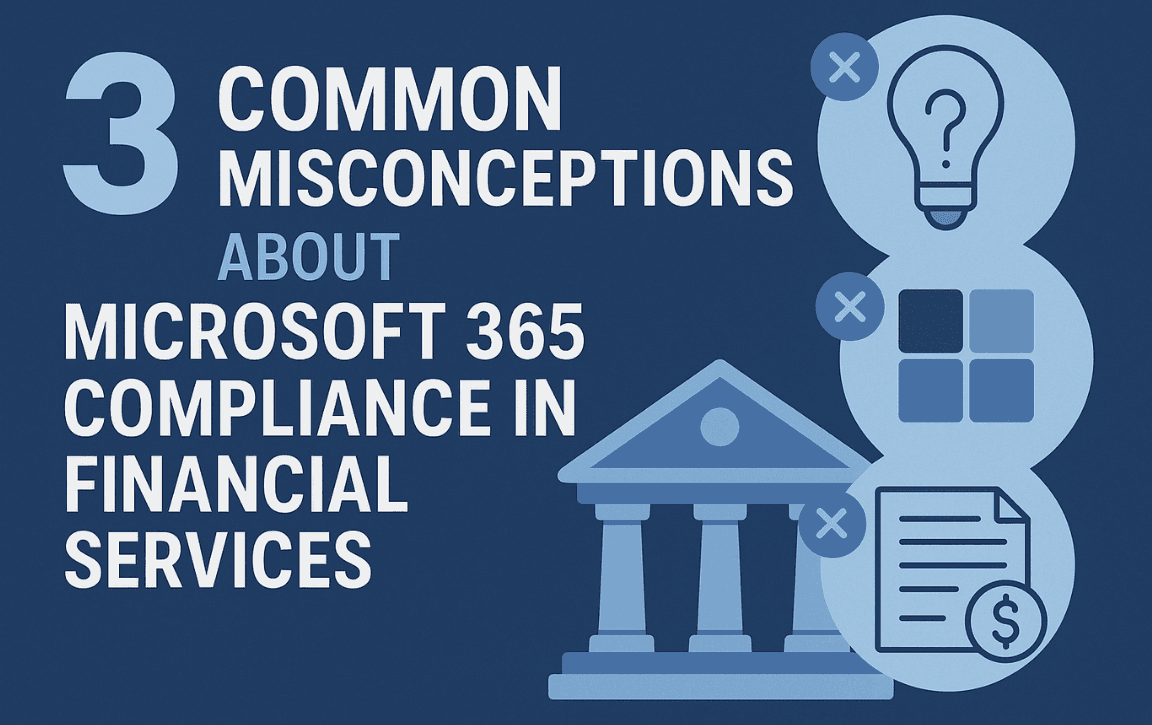
Financial services firms face unprecedented regulatory scrutiny of their digital operations. With sensitive client financial data distributed across Microsoft 365 workspaces, the compliance risks are substantial - yet many organizations continue to operate under dangerous misconceptions about how Microsoft 365 actually works.











.png&w=3840&q=75)
.png&w=3840&q=75)
.png&w=3840&q=75)
.png&w=3840&q=75)
.png&w=3840&q=75)



.png&w=3840&q=75)
-2.png&w=3840&q=75)
-2.png&w=3840&q=75)
-1.png&w=3840&q=75)

-2.png&w=3840&q=75)
-1.png&w=3840&q=75)
-2.png&w=3840&q=75)
-2.png&w=3840&q=75)


.png&w=3840&q=75)
-1.png&w=3840&q=75)


-1.png&w=3840&q=75)


.png&w=3840&q=75)