PHP Security Vulnerabilities 2026: What Happened and Who Was Affected?
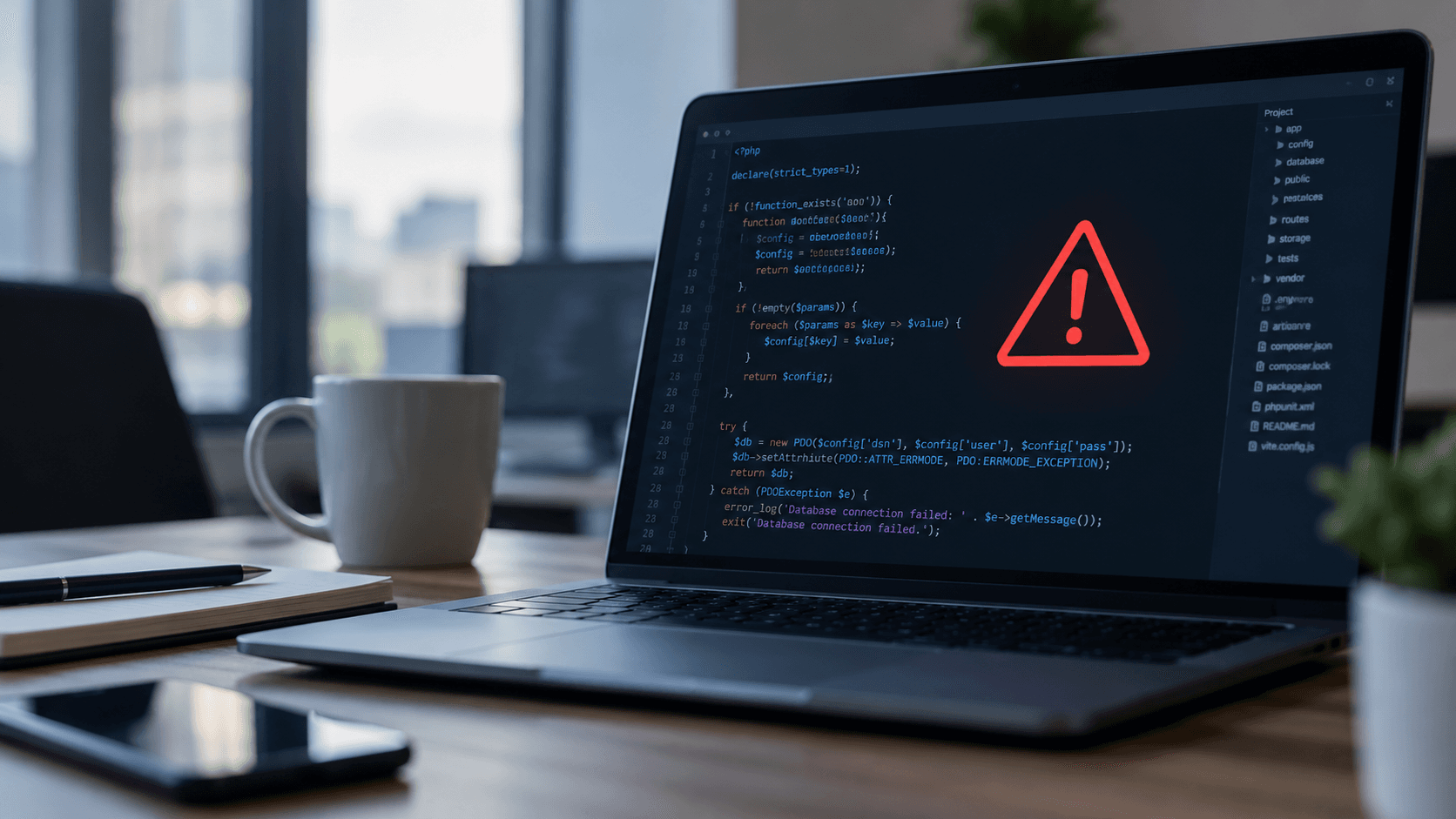
The October 2026 PHP security vulnerabilities triggered a global cybersecurity emergency, prompting organizations worldwide to temporarily shut down websites and applications while implementing critical security updates.
Beginning October 21, government agencies, telecommunications providers, and major online platforms responded to vulnerabilities that could allow attackers to remotely execute malicious code on affected servers. Although the vulnerabilities posed serious cybersecurity risks, not every affected organization experienced a data breach. Many businesses and government agencies temporarily suspended services as a precaution while assessing their exposure and applying security patches.
Updated: October 28, 2026.
The incident involved two critical PHP vulnerabilities, CVE-2026-109618 and CVE-2026-109619, collectively known as php2shell. PHP is a widely used programming language that supports websites and applications, including popular content management platforms such as WordPress, Drupal, and Joomla.
According to the European Union Agency for Cybersecurity (ENISA), the vulnerabilities could allow unauthorized attackers to execute malicious code on affected servers without authentication. Successful exploitation could potentially expose sensitive application data, compromise web servers, and disrupt business operations.
The PHP development team released emergency security updates on October 21, prompting organizations to identify affected systems and apply patches. Given PHP's widespread use, the vulnerabilities raised concerns across industries that depend on web-based applications and digital services.
The PHP security emergency affected organizations across multiple industries, including government, telecommunications, and online services. Several major organizations publicly reported precautionary shutdowns while addressing the vulnerabilities.
The Wikimedia Foundation temporarily disabled supporting infrastructure, including Toolforge and Cloud VPS, while implementing security updates. Some volunteer-managed services required additional action from their owners before they could be restored.
Similarly, Orange, the international telecommunications provider, temporarily suspended access to certain websites and applications across its subsidiaries to deploy patches and conduct security checks. Government services were also affected, including the UK's Office for Budget Responsibility, which temporarily took its website offline as a precaution.
These incidents demonstrate how widespread software vulnerabilities can disrupt essential services, even without a confirmed data breach. For businesses, the consequences extend beyond potential data exposure. Unexpected downtime, interrupted operations, and emergency security measures can affect productivity and business continuity.
PHP released security patches for several affected versions on October 21, 2026, including PHP 8.5.12, 8.4.27, 8.3.36, and 8.2.35.
Organizations running affected versions should apply the appropriate security updates as soon as possible. Those using older, unsupported versions should consider upgrading to supported releases or working with their vendors to address potential vulnerabilities.
Additional guidance followed the initial patches, including recommendations for addressing a separate PHP vulnerability disclosed on October 23. Organizations should continue monitoring official security advisories and reviewing their systems for potential exposure.
For further technical guidance, refer to the Canadian Centre for Cyber Security.
Organizations running affected versions should apply the appropriate security updates as soon as possible. Those using older, unsupported versions should consider upgrading to supported releases or working with their vendors to address potential vulnerabilities.
Additional guidance followed the initial patches, including recommendations for addressing a separate PHP vulnerability disclosed on October 23. Organizations should continue monitoring official security advisories and reviewing their systems for potential exposure.
For further technical guidance, refer to the Canadian Centre for Cyber Security.
The PHP incident highlights an important cybersecurity challenge: organizations need a clear understanding of their technology environments to identify vulnerabilities and protect sensitive information. While the incident specifically involved PHP, it reinforces the importance of maintaining visibility into software dependencies, managing security risks, and preparing for potential disruptions.
Businesses should regularly review the applications and third-party services supporting their operations, particularly those that may introduce vulnerabilities without being immediately apparent. Keeping software updated, conducting cybersecurity risk assessments, and establishing clear incident response procedures can help reduce exposure and limit operational disruption.
Beyond software vulnerabilities, organizations must also consider how sensitive business information is accessed and managed. Excessive permissions, unmanaged external access, and outdated data can create additional security risks, particularly in Microsoft 365 environments where information is shared across multiple applications and teams.
The PHP emergency also demonstrates that cybersecurity incidents don't always involve stolen information. Temporary shutdowns, emergency maintenance, and interrupted services can have significant business consequences. Organizations with clear security responsibilities and established response procedures are better positioned to manage these situations and restore normal operations.
The October PHP security emergency is a reminder that protecting business information requires more than responding to individual software vulnerabilities. Organizations also need to understand where sensitive data is stored, who can access it, and where potential security gaps exist.
At SnapOn Software, we help businesses protect sensitive data, identify security risks, and strengthen their Microsoft 365 security. Audit helps uncover hidden risks and excessive access to company data, while ProvisionPoint helps organizations manage access and maintain consistent governance across Microsoft 365.
By improving visibility into company data and strengthening access controls, businesses can reduce preventable security risks and build a more secure environment as technology continues to evolve.
Explore SnapOn Software's security and governance solutions.
About the Author
Peter Baddeley