From Data Chaos to AI Readiness: Why Data Governance Is the Foundation of Successful AI

Artificial intelligence is transforming how organizations work, but successful AI adoption isn't simply about implementing the latest large language model (LLM). Before AI can deliver meaningful business value, organizations must first ensure their data is secure, governed, and accessible.
Many businesses are eager to embrace AI to improve productivity, automate repetitive tasks, and uncover new insights. However, without proper governance, AI can quickly introduce new risks around security, compliance, privacy, and data quality.
During our recent webinar, From Data Chaos to AI Readiness, our experts explored what organizations need to do today to prepare for enterprise AI—and why data governance should always come before automation.
Why AI Readiness Starts with Your Data
Every AI tool relies on one thing: data.
If your organization's information is scattered across multiple systems, lacks clear ownership, or isn't governed consistently, AI will only amplify those existing challenges.
Rather than asking, "Which AI tool should we implement?", organizations should first ask:
- Where is our business data stored?
- Who has access to it?
- Is sensitive information properly protected?
- Do we understand the lifecycle of our data?
- Can we trust the information AI is using?
Without clear answers to these questions, organizations risk exposing sensitive information, generating inaccurate outputs, or creating compliance issues that are far more expensive than the productivity gains AI promises.
The Importance of Data Lifecycle Governance
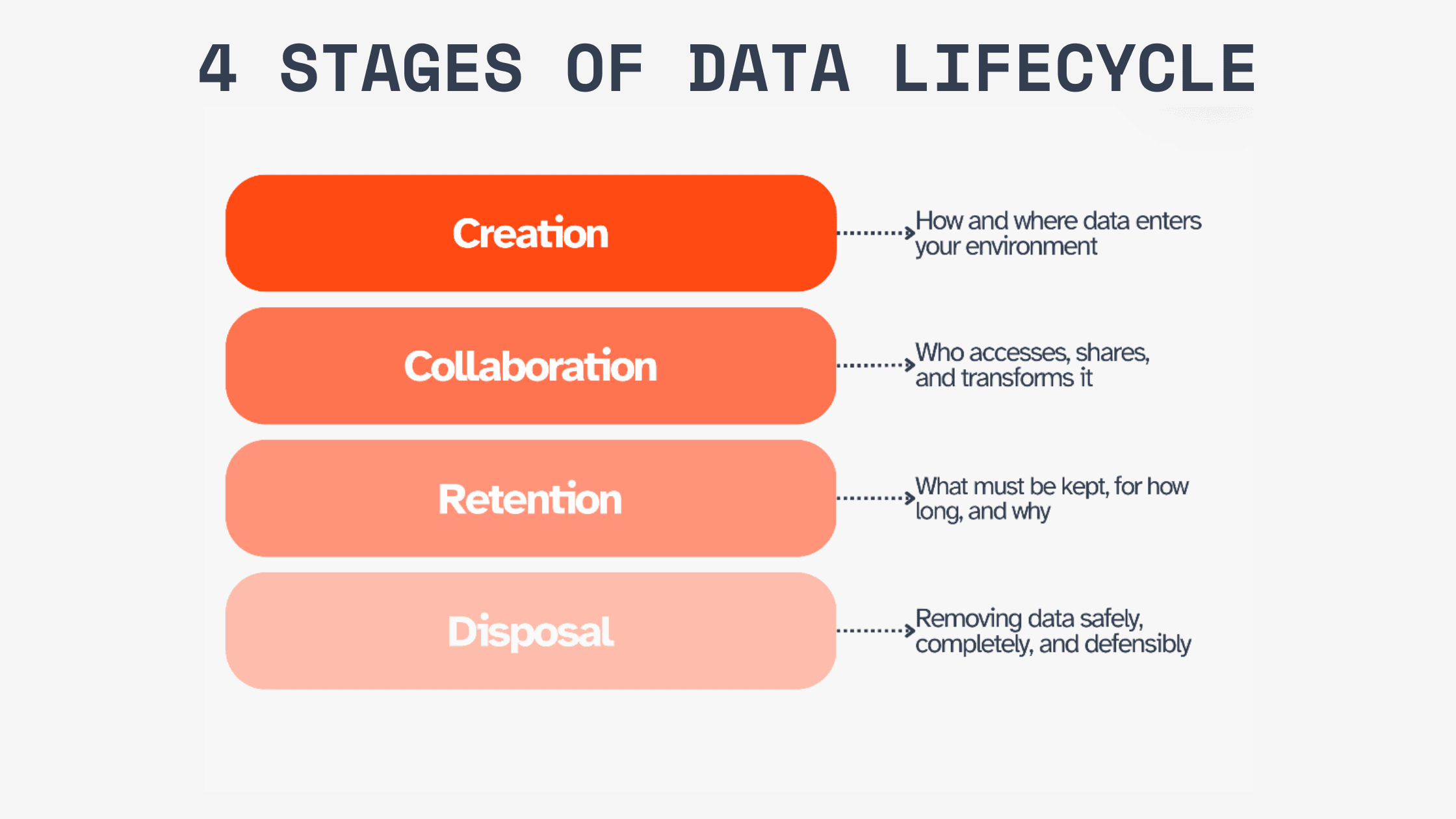
One of the key themes discussed during the webinar was the importance of managing data throughout its entire lifecycle.
Every piece of organizational data goes through several stages—from creation and collaboration to storage, archival, and eventual deletion. Effective governance ensures that information is managed securely at every stage.
A strong data governance strategy helps organizations:
- Protect sensitive and confidential information
- Meet regulatory and compliance requirements
- Reduce unnecessary data storage
- Improve data quality and accessibility
- Build trust in AI-generated insights
Perhaps most importantly, good governance reduces risk before problems occur. As discussed during the webinar, "the breach you prevent is the one that never happens."
AI Innovation Requires Trust
AI has tremendous potential to transform everyday work, but employees will only embrace AI if they trust it.
That trust comes from knowing:
- Data permissions are respected.
- Sensitive information remains protected.
- AI only accesses information users are authorized to see.
- Organizational policies remain enforced.
Enterprise AI shouldn't bypass existing governance—it should strengthen it. Organizations that build AI around privacy, security, and compliance are far better positioned to scale AI responsibly than those focused solely on automation. Start Small, Learn Fast
One of the biggest misconceptions surrounding AI is that organizations need massive budgets before they can begin experimenting. In reality, successful AI adoption often starts with small, focused initiatives. Instead of launching organization-wide AI programs immediately, begin with a single department or a specific business process that offers measurable value.
Ideal pilot projects typically:
- Solve a repetitive manual task
- Deliver quick productivity improvements
- Present minimal operational risk
- Produce measurable business outcomes
This approach allows organizations to validate use cases, gather feedback, and build confidence before expanding AI across the business. Rather than investing millions upfront, businesses can often test AI solutions at a relatively low cost and use those early successes to guide larger investments later.
Governance Should Be The Foundation—Not Added Later
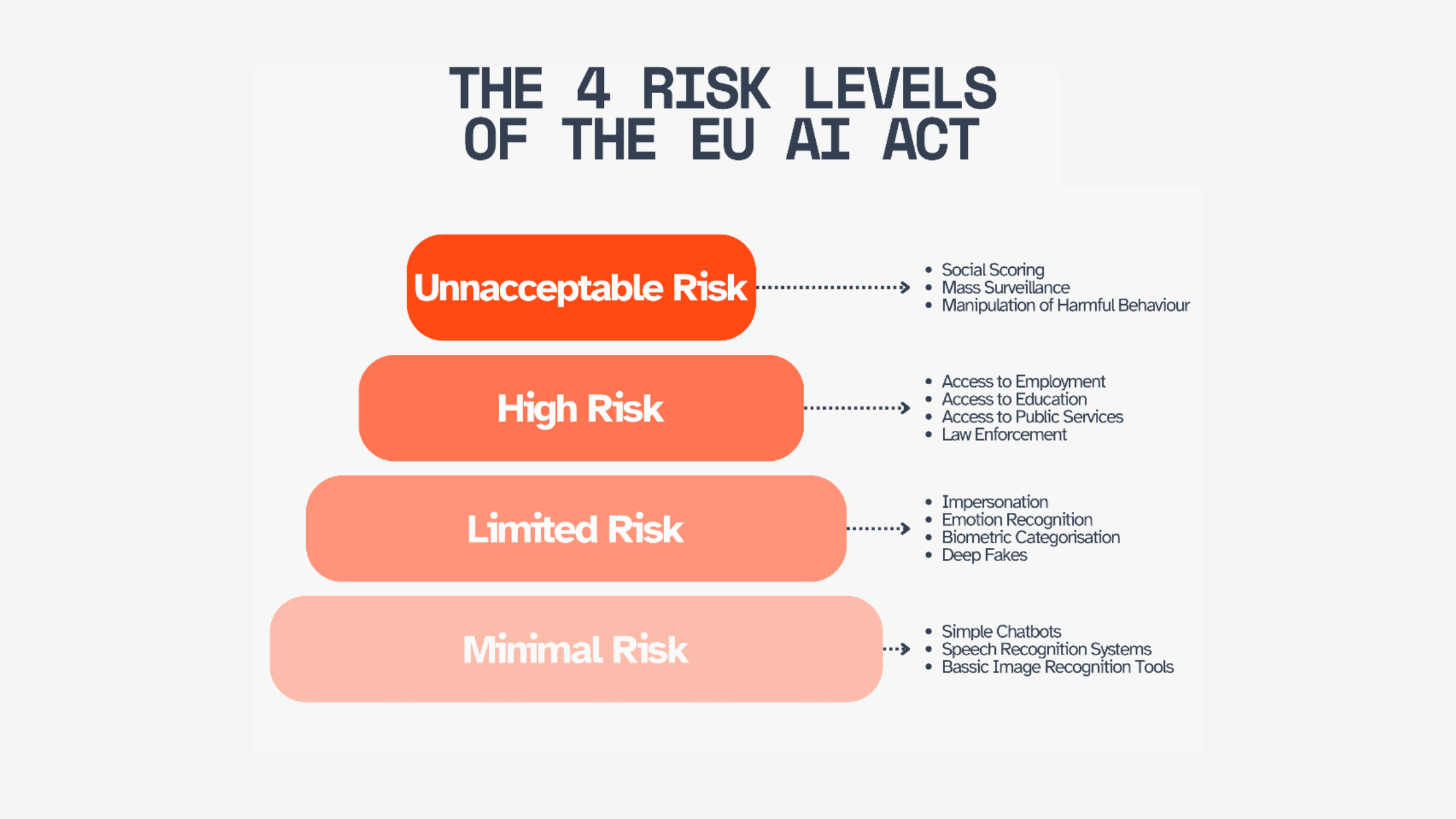
Security and governance are often treated as features that can be layered onto AI after implementation.
As AI becomes more deeply integrated into business operations, organizations need solutions that understand permissions, policies, and organizational context from the beginning. This governance-first approach reduces the likelihood of accidental data exposure while giving employees confidence that AI is operating within approved boundaries.
How SnapOn Software Helps Organizations Become AI-Ready
Preparing for AI requires more than deploying new technology—it requires building a secure foundation that enables innovation without compromising governance.
At SnapOn Software, we help organizations modernize and govern enterprise platforms, including Microsoft 365, Salesforce, and NetSuite, while ensuring data remains secure, compliant, and accessible throughout its lifecycle.
Our governance and data management solutions—including ProvisionPoint, Intake, and Audit—provide organizations with the tools they need to establish the controls, visibility, and governance framework required for responsible AI adoption.
- ProvisionPoint automates the provisioning and lifecycle management of Microsoft 365 workspaces, ensuring collaboration environments are created, managed, and retired according to organizational governance policies.
- Intake streamlines business requests through configurable forms and approval workflows, helping organizations standardize processes, improve accountability, and maintain governance across departments.
- Audit delivers comprehensive visibility into Microsoft 365 activity, permissions, and compliance, enabling IT and security teams to proactively identify risks, monitor user activity, and strengthen data governance.
Together, these solutions create a trusted foundation for secure, scalable AI adoption. As discussed during the webinar, SnapOn Software also leverages AskCipher (AC) as an AI layer to maximize productivity and AI efficiency while building on the governance established by ProvisionPoint, Intake, and Audit. Rather than replacing governance, AskCipher works within it—leveraging existing policies, permissions, privacy controls, and organizational knowledge to ensure AI interactions remain secure, compliant, and aligned with business objectives. This governance-first approach allows organizations to embrace AI with confidence while maintaining control over their data.
Preparing for the Future of Enterprise AI
The future of AI isn't simply about choosing the smartest model. It's about ensuring your organization's data is secure, trusted, and governed before AI begins making decisions with it. Organizations that invest in governance today will be far better positioned to scale AI tomorrow. By starting with clear data policies, secure access controls, and manageable pilot projects, businesses can unlock AI's full potential while minimizing risk.
AI readiness isn't a destination—it's a journey built on trusted data.
Want to learn more about data lifecycle governance, AI readiness, and secure enterprise AI?
Watch our full webinar, From Data Chaos to AI Readiness: Managing the Data Lifecycle for AI and Risk Management, to hear practical insights from the SnapOn Software team on how organizations can build a governance-first strategy for AI success.
About the Author
Peter Baddeley